Why the world is watching Latin America’s biodiversity researchers, and what we can learn
By Ian Evans



On a small fishing boat off the coast of Chile, Rodrigo Oyanedel gets his hands wet. He works alongside local fishers, feeling the saltwater spray and learning the details of their trade. His work analyzes the wildlife trade and the dynamics of illegal fishing and its impact on ocean conservation. It means building trust with people entrenched in that world. "I get in the boat with them, I get my hands dirty, I get all wet," Rodrigo explained. "They see that ‘this guy’s real, we can trust him.’ That makes a huge difference."
Rodrigo’s work is just one example of a larger story unfolding across an entire continent. A landmark report on biodiversity research, conducted by Elsevier, provides critical insights into the change that is possible when scientists, international partners, and local communities work together.

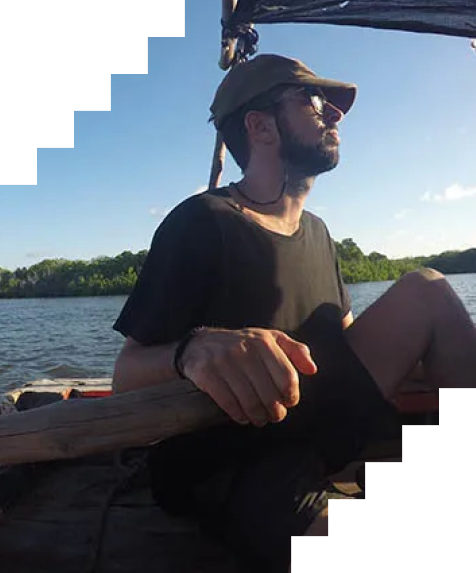
Rodrigo is a keen sailor who loves to fish and is used to being out in the ocean for days, which helps him build rapport with fishers.
Latin America’s pivotal role in biodiversity studies
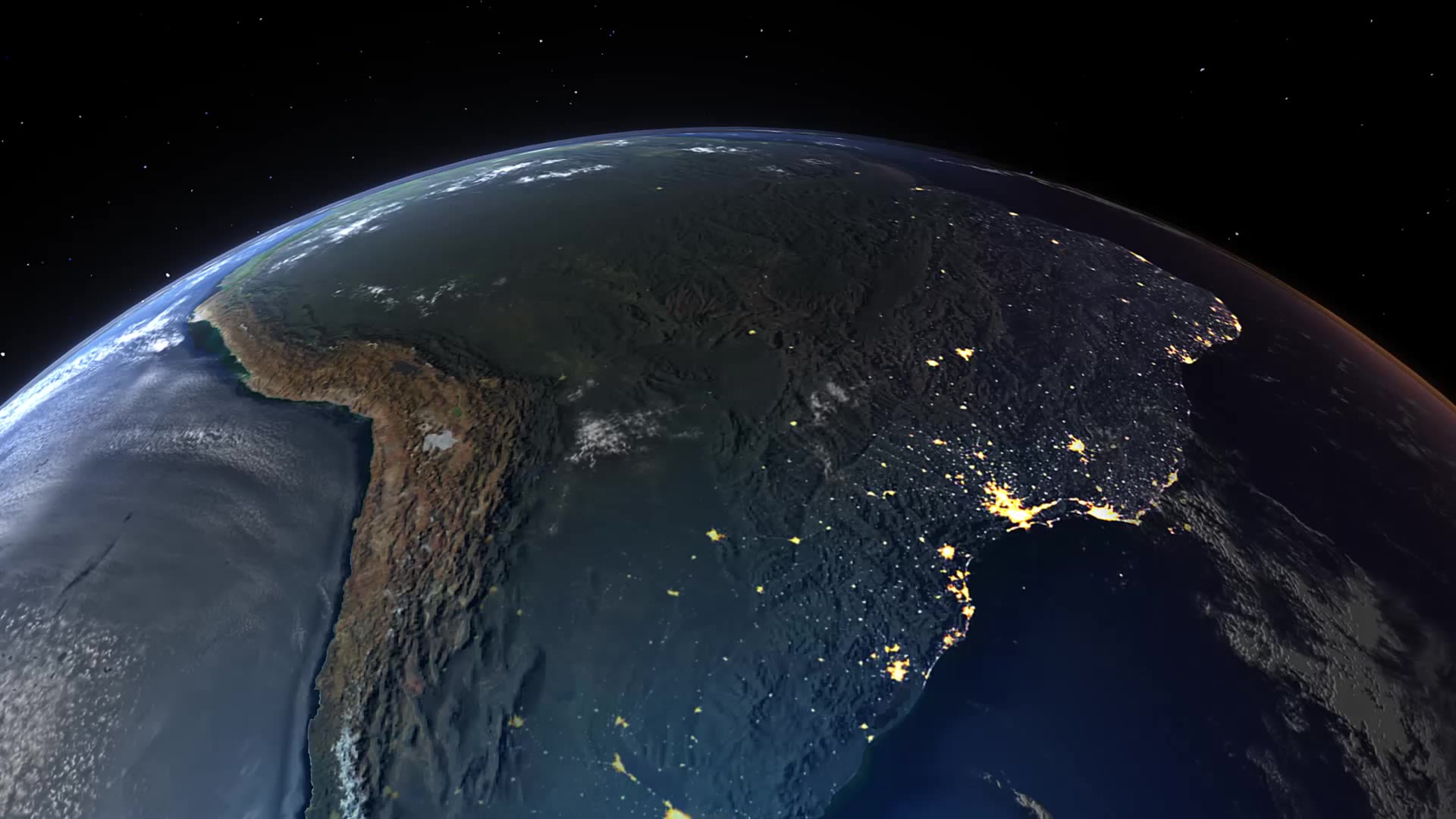
Latin America is renowned for its extraordinary natural wealth, from the vast Amazon rainforest to the unique ecosystems of the Atlantic Forest and Cerrado. As Elsevier’s insights on biodiversity research demonstrate, it’s also a powerhouse of scientific discovery.


Latin America accounted for 14% of global biodiversity publications in 2023.

Brazil and Mexico alone are responsible for 58% of the region’s research output, reflecting robust national policies and investments in science.

Biodiversity research is cited in policy documents three times more often than research in other fields, demonstrating its direct impact on decision-making and conservation strategies.
Insights that drive action
As the international community prepares for the United Nations Climate Change Conference in Belem, Brazil, this November, the findings highlight Latin America’s pivotal role as a leader in the global effort to understand, protect, and restore the diversity of life on Earth.
The urgency driving this research boom is real. Latin America has experienced the world's steepest decline in wildlife populations:




As Dr. Alice Hughes, Editor-in-Chief of Climate Change Ecology, explained, much of that is down to human influence from over-exploitation of resources, invasive species, climate change, or various forms of pollution.
“Most of these threats are due to human unsustainable use and management, so they relate to the existence and implementation of policy.” Using research to influence that policy, is therefore essential.
According to Elsevier's report:
- Biodiversity studies are cited in policy documents 3x more often than other research fields.
- In Latin America, 8.5% of biodiversity research is referenced in policy.
- This far exceeds the regional average for all research.
This connection between science and decision-making means that discoveries made in the field – whether tracking species loss in the Amazon or mapping the benefits of protected areas – are informing national strategies, international agreements, and local conservation efforts. So what drives that impact? The answer lies in how well Latin American countries work with others.



Collaboration across borders—and beyond
Half of Latin America's biodiversity research involves international partnerships, with citation rates for international collaborations often reaching two to five times the global average.
Prof. Denise Pires de Carvalho, who leads Brazil's CAPES funding agency, sees this as essential to addressing global challenges. “These studies have a high degree of international cooperation, and as we’ve seen there is a strong impact from these biodiversity studies on the formulation of public policies.”
In particular, Brazil benefits from the BIOTA-FAPESP research program that, since 1999, has been supporting research in collaboration with NSF (USA), NERC (GBR), NOW (NLD), ANR (FRA), and training hundreds of PhD and MSc students in Biodiversity topics. The partnerships span continents. Researchers from the Smithsonian Institution work alongside Brazilian scientists, while German and British universities contribute expertise in everything from forest ecology to marine conservation.
Partnerships span continents: researchers from the Smithsonian Institution work alongside Brazilian scientists, while German and British universities contribute expertise in multiple areas
As Dr. Mauro Galetti of São Paulo State University, described it, the Global South’s work on biodiversity, shows the “vital role of a diverse and engaged scientific community leading the way in conservation and biodiversity research and shaping effective environmental policy.”


The tangible success of this approach is evident not only in its scientific influence but also in its measurable societal impact. Globally, biodiversity research boasts a Field-Weighted Citation Impact (FWCI) of 1.20—meaning these studies are cited 20% more often than the average research publication. In Latin America, the effect is even more pronounced. Countries like Bolivia and Argentina, though smaller in research volume, achieve FWCI scores as high as 3.2 and 1.5, respectively, indicating that their work is recognized and valued by the international scientific community.


For a researcher like Rodrigo, that impact is what gives meaning to his work. He knew when he started that governments need evidence, and quality research can provide that evidence. When that happens, he said, it’s a special moment for a researcher.
“I had a meeting with people in the Chilean government about my research, and when I arrived at the building they said, ‘We’ve been reading your papers.’ The first time that happens, it’s a real ‘woah!’ moment.”
As Latin America’s researchers continue to break new ground, their work is not only shaping the future of conservation at home but also inspiring global action to safeguard our planet’s rich biodiversity. In the face of urgent challenges, these collaborations offer hope, and a blueprint for how science can drive meaningful change for generations to come.
Learn more