
What if universities could turn local challenges into global change?




A new model of higher education is emerging, designed not only to transfer knowledge to the public, but to orchestrate concrete solutions to our thorniest problems.
This 4th Generation University approach is spreading fast. Already more than 100 universities in more than 50 countries have adopted the concept. Its supporters predict a network of 1000 universities in the next three years.




A new model of higher education is emerging, designed not only to transfer knowledge to the public, but to orchestrate concrete solutions to our thorniest problems.
This 4th Generation University approach is spreading fast: from 12 institutions in 11 countries to 58 in 31 countries in just over a year.
Its core idea is to “co-create this innovative ecosystem to solve societal challenges,” says Renee Westenbrink, Strategy Director and Head of Research Policy at Eindhoven University of Technology. TU/e was the first university to partner with Elsevier and pilot the approach, focusing on…


Strategic collaboration
University leaders regularly meet with industry, government, and community partners to set long-term goals and define required skills.

Real-world impact
Those partners help shape curricula, ensuring students gain in-demand, employable skills.

Industry-driven research
Universities and companies co-create solutions — like TU/e’s focus on photonics — fueling new businesses, jobs, and economic growth.
Westenbrink highlighted the level of ambition, saying, “In 10 years we could help solve energy problems and bring healthcare to the next level... That’s where the real impact lies.”
The universities leading the way

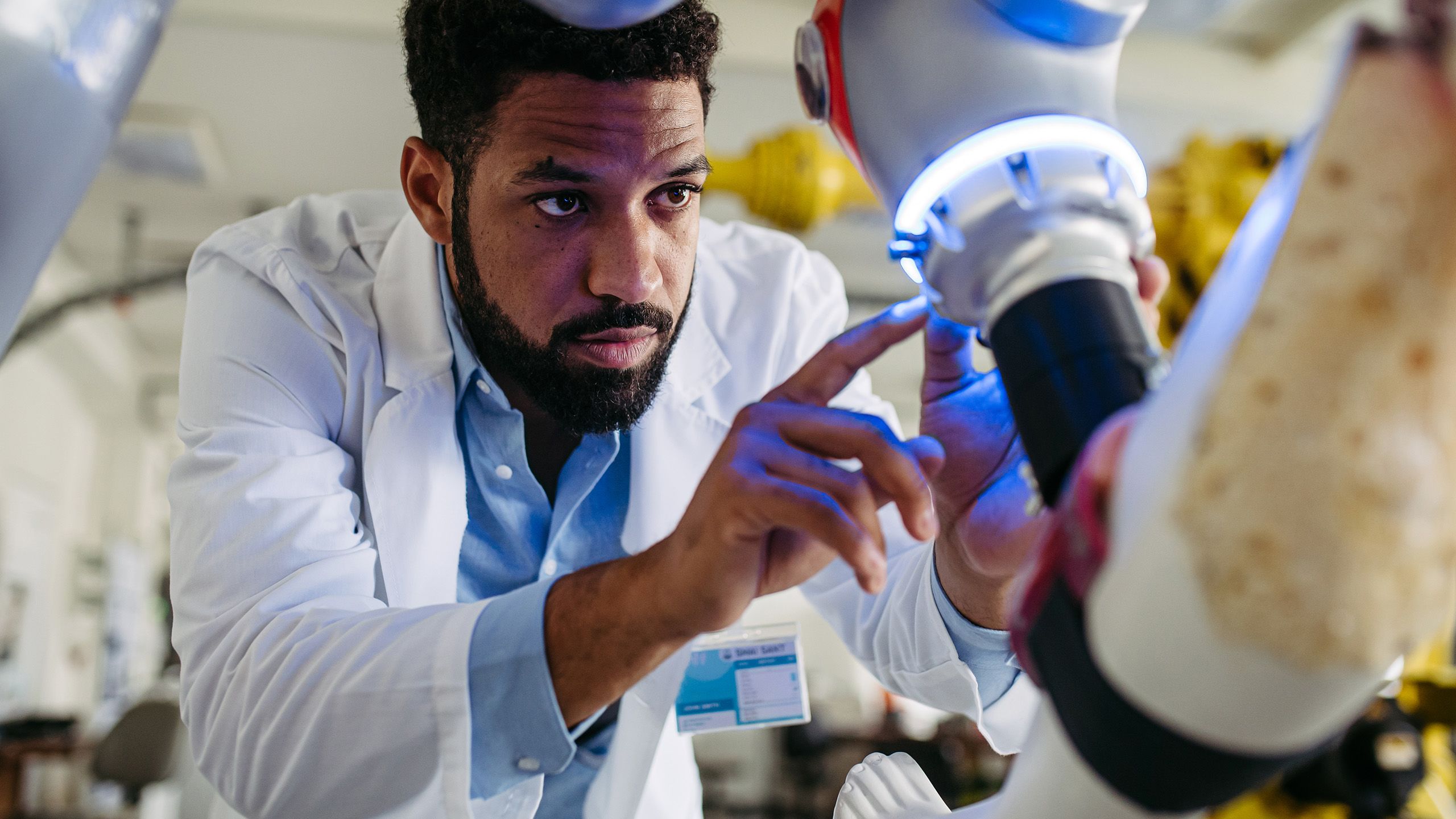
TU/e was the pioneer of the 4th Generation University model, partnering with Elsevier to explore its potential. Robert-Jan Smits, president of the Executive Board of TU/e at the time, championed the vision of a global community of at least 1000 4th Generation Universities within a few years.
Universities, the public and private sectors, and local communities collaborate, and in some cases reconnect, around a shared vision.
Working with the surrounding Brainport region—a leading European technology hotspot with more than 5,000 companies, including Philips and ASML—TU/e has demonstrated the pivotal role universities can play in transforming their local ecosystems.


of TU/e’s international students remain in the Eindhoven area, against a national average of around 30%.

of TU/e spinout companies are within 47 miles (75 kilometres) of the university.

of its research output is now co-published with industry partners, ensuring its relevance and impact in the real world.
The UK’s Aston University reports similar success, helping students from underserved areas reach high-skilled, high-salaried jobs and “transforming lives,” says Professor and Chief Executive Aleks Subic.
New Zealand’s University of Auckland offers another vivid example of schools working creatively with community groups and industry through its Newmarket Innovation Precinct.
- A priority is collaborating with local Māori tribes, particularly on threatened areas where the university can have a big impact, like the arts, humanities, and social sciences.
- In 2024, communications students co-created the official social media for a sold-out Coldplay stadium show, practicing in-demand skills for a worldwide audience with a real employer.
- Other students are working with city partners on challenges such as waste management, with some earning job offers.
“When you get 40 percent of students coming from some of the most deprived areas of UK completing their degree and accessing highly skilled jobs, you know you’re transforming lives.”
- Aleks Subic, Professor and Chief Executive, Aston University
Change driven by societal challenges


Universities can catalyze change because they endure in a world of shifting industry and short political cycles. Their deep community connections inspire trust. As complex societal challenges become more widely recognized, universities are well-positioned to address them.
“So many universities have the same questions about discovering a new role,” says Westenbrink. “How do we do this? How do we explain it? How can we measure it in terms of performance?” He says inspiration comes from the enormous support and recognition for the project.



Universities can be catalysts in the model because they endure in a world of shifting industry and short political cycles. Their deep community connections inspire trust. As complex societal challenges are more widely recognized, universities are well-positioned to address them.
“So many universities have the same questions about discovering a new role,” says Westenbrink. “How do we do this? How do we explain it? How can we measure it in terms of performance?” He says inspiration comes from the enormous support and recognition for the project.
A global community of transformative institutions


Professor Dawn Freshwater, vice-chancellor of the University of Auckland is energized by the role 4th Generation Universities can play:
“What if we’re recognized as institutions that co-create knowledge and solutions and are a trusted source of truth and fairness, working locally for the global pursuit of shared futures?”
Professor Subic sees opportunity in scale, envisioning a global community of more than 1000 universities within three years:
“When you get that global scale, you’re starting to have real impact. You can then draw on those resources, those insights and that community to showcase what good looks like. It becomes more than a movement—it becomes something far more formidable.”


For Professor Freshwater, the role 4th Generation Universities can play as contemporary universities of the AI age is exciting:
“What if we’re recognized as institutions that co-create knowledge and solutions—are a trusted source of truth and fairness, embrace inclusivity and sustainability, and work locally for the global pursuit of shared futures?”
Professor Subic sees opportunity in scale, envisioning a global community of more than 1000 universities within three years:
“When you get that global scale, you’re starting to have real impact. You can then draw on those resources, those insights and that community to showcase what good looks like. It becomes more than a movement—it becomes something far more formidable.”
Learn more,
join the conversation
and connect with the
4th Generation
University community